
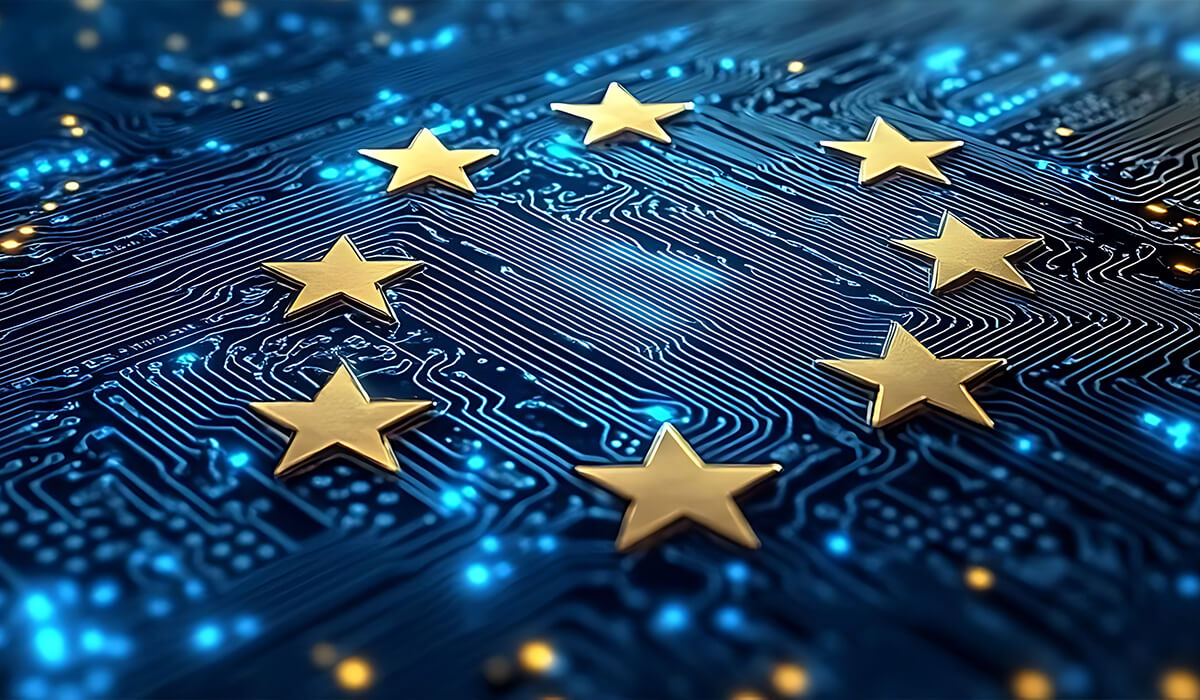
As we move deeper into 2026, the boundaries between physical and digital interactions have effectively dissolved. For organisations operating within the European Union, the ability to verify identity and execute transactions securely is no longer just a technical requirement, rather, it is a cornerstone of digital sovereignty.
At the heart of this transformation is eIDAS (electronic Identification, Authentication and Trust Services). Originally introduced to harmonise the fragmented digital landscape of Europe, the regulation has evolved into a sophisticated framework that defines how trust is established, maintained, and legally recognised across borders.
This article explores the mechanics of eIDAS, the critical shift toward eIDAS 2.0, and what the current regulatory environment means for organisations navigating the complexities of digital compliance.
What Is eIDAS?
The eIDAS Regulation (EU No 910/2014, and its subsequent 2024 update) provides a predictable legal environment for electronic interactions between businesses, citizens, and public authorities. It focuses on two main pillars:
- Electronic Identification (eID): Ensuring that individuals and businesses can use their own national eIDs to access online services in other EU countries.
- Trust Services: A suite of digital tools—including electronic signatures, seals, time stamps, and website authentication—that ensure the integrity and origin of data.
The overarching goal is interoperability. By standardising these services, eIDAS ensures that a digital transaction initiated in Stockholm is just as legally binding and verifiable in Lisbon or Berlin.
The Shift to eIDAS 2.0: The 2026 Landscape
While the original regulation laid the groundwork, eIDAS 2.0 (Regulation EU 2024/1183) has significantly raised the stakes. As of 2026, the focus has shifted from merely allowing cross-border recognition to mandating the availability of digital identity tools for every citizen.
The European Digital Identity (EUDI) Wallet
The most significant addition is the EUDI Wallet. By the end of this year, every Member State is required to make a digital identity wallet available to its citizens. This wallet allows users to:
- Securely store and share “verifiable credentials” (like a driver’s license, professional diplomas, or bank account details).
- Authenticate both online and offline.
- Sign documents using Qualified Electronic Signatures (QES) directly from their mobile device.
For organisations acting as Relying Parties (those who need to verify a user’s identity), eIDAS 2.0 creates a streamlined, low-friction way to perform KYC (Know Your Customer) and AML (Anti-Money Laundering) checks with unprecedented accuracy.
Understanding Levels of Assurance (LoA)
A central concept within eIDAS is the Level of Assurance (LoA). Not every digital interaction requires the same degree of security. eIDAS defines three distinct tiers to help organisations match the identity method to the level of risk involved:
| Assurance Level | Security Context | Typical Use Case |
|---|---|---|
| Low | Minimal identity proofing; usually involves a single-factor login. | Accessing non-sensitive public data or basic loyalty programs. |
| Substantial | Requires multi-factor authentication (MFA) and verified identity data. | Enrolling in educational institutions or accessing tax portals. |
| High | Rigorous identity proofing (in-person or equivalent); tamper-proof hardware. | Opening bank accounts, property transfers, or high-value contracts. |
Let us lead you through regulatory compliance
The Hierarchy of Electronic Signatures
eIDAS provides the legal framework that makes “paperless” business possible. However, not all digital signatures are created equal. The regulation categorises them based on their security and the level of trust they provide:
- Simple Electronic Signature (SES): The broadest category, such as a scanned signature or a “click-to-accept” box. It is easy to use but carries the lowest evidentiary weight in court.
- Advanced Electronic Signature (AES): Must be uniquely linked to the signatory, capable of identifying them, and created using data that the signatory can use with a high level of confidence. Crucially, any subsequent change to the signed data must be detectable.
- Qualified Electronic Signature (QES): The “Gold Standard.” A QES is an advanced signature created by a Qualified Signature Creation Device (QSCD) and based on a Qualified Certificate.
Why eIDAS Is Essential for Business Compliance
For modern organisations, eIDAS is much more than a “check-the-box” regulatory requirement. It provides the legal and technical certainty needed to scale operations across the European Single Market.
- Eliminating Cross-Border Friction: Organizations no longer need to build custom identity integrations for every country they operate in. By aligning with eIDAS standards, they can accept identities from across the EU.
- Strengthening Cybersecurity: By utilising high-assurance authentication and qualified trust services, companies can significantly mitigate the risks of MFA fatigue, identity theft, and “Shadow IT”.
- Operational Efficiency: Shifting from physical to qualified digital signatures can reduce contract turnaround times from days to minutes, drastically lowering administrative overhead.
- Trust and Transparency: Aligning with European standards signals to users and partners that the organisation prioritises data integrity and follows the most stringent security protocols in the world.
Conclusion
eIDAS has redefined the meaning of trust in the digital age. By providing a unified framework for identity and transactions, it has turned what was once a fragmented collection of national systems into a cohesive, secure, and legally recognised digital ecosystem.
As the 2026 deadlines for the EUDI Wallet approach, organisations must ensure their digital infrastructure is “eIDAS-ready”. Understanding the nuances of assurance levels and trust services is no longer optional—it is the key to unlocking secure, scalable, and trustworthy digital growth in the European market.
FAQs
What is eIDAS?
What is the main difference between eIDAS and eIDAS 2.0?
What are eIDAS assurance levels?
Is eIDAS mandatory?
Must a business accept the EU Digital Identity Wallet?
What is the difference between eIDAS and GDPR?
They are complementary; eIDAS 2.0 specifically emphasises “data minimisation”, allowing users to share only what is necessary (e.g., proving they are over 18 without revealing their full date of birth).